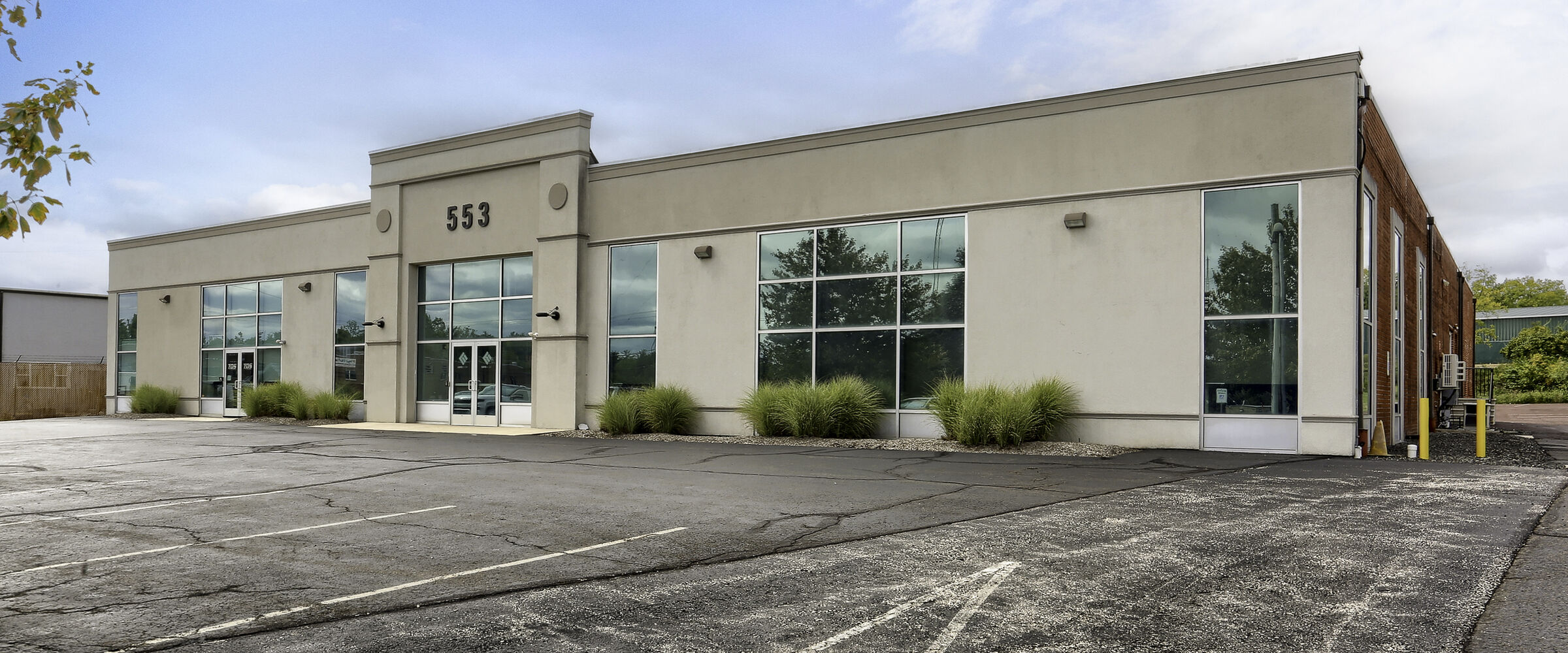
553 Foundry Road · Norristown, PA
Veterinary, medical and industrial buildings, typically $750,000 to $3 million. Tenanted when we buy, with term when we sell.
Veterinary, medical and industrial buildings, typically between $750,000 and $3 million. Every asset is tenanted when we buy it and still has term when we sell it.
A veterinary hospital has surgical suites, kennels, floor drains and isolation rooms built into the shell. A dental practice has plumbed operatories and lead-lined walls. A machine shop has three-phase power, a drive-in door, and a slab rated for what sits on it.
That capital belongs to the tenant, and it does not travel. Neither do the patients, the referral network, or the licensing tied to the address. Rent is a small share of what these businesses spend to operate, so they renew, and the income holds.
Institutional buyers are not here: diligence and monitoring costs are largely fixed, so capital that competes for larger assets skips this band.
We do not merely buy below where institutions deploy. We buy below where financing gets hard for the next buyer, and the band directly above us is where deals stall.
Remaining lease term is the largest single driver of what a buyer pays. We buy long leases and structure the hold around that.
The exit is decided when we underwrite the deal, not discovered at the end of it. Every one is modeled at a cap rate flat to wider than entry; nothing is approved that needs the market to improve.
Upside, and where it belongs
Two things would improve a deal beyond that: a lease extension negotiated at or after acquisition, and, if enough of the right assets accumulate, a package sale, which has historically priced tighter than the same buildings sold one at a time. Neither is credited in any base case. Every property has to work without them.
Square footage describes the current portfolio of the principals and their affiliates, not of Corbel Partners, which is a newly formed venture with no operating history.
We buy below the institutional threshold and underwrite above it.
Three dedicated to sourcing, underwriting and asset management; one to finance and investor operations. Deal flow comes from ownership, brokerage and lender relationships in the same submarkets, much of it ahead of a marketed process.
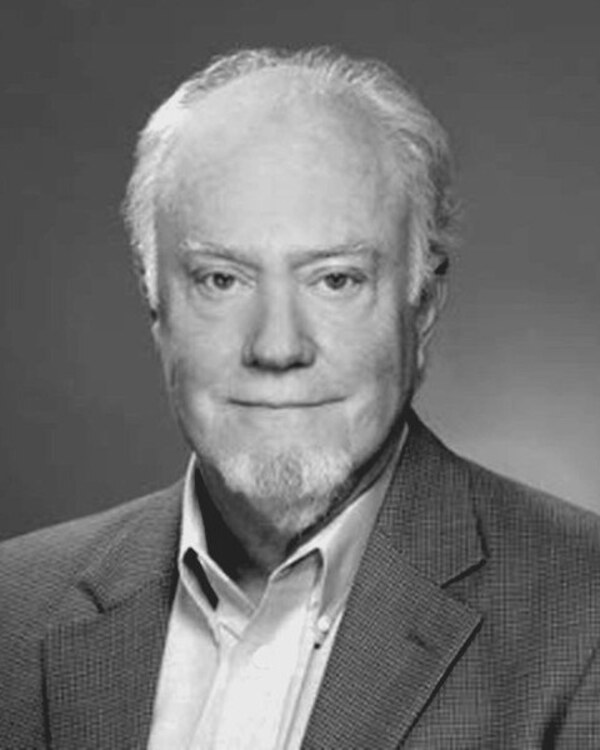
Sourcing, underwriting & asset management
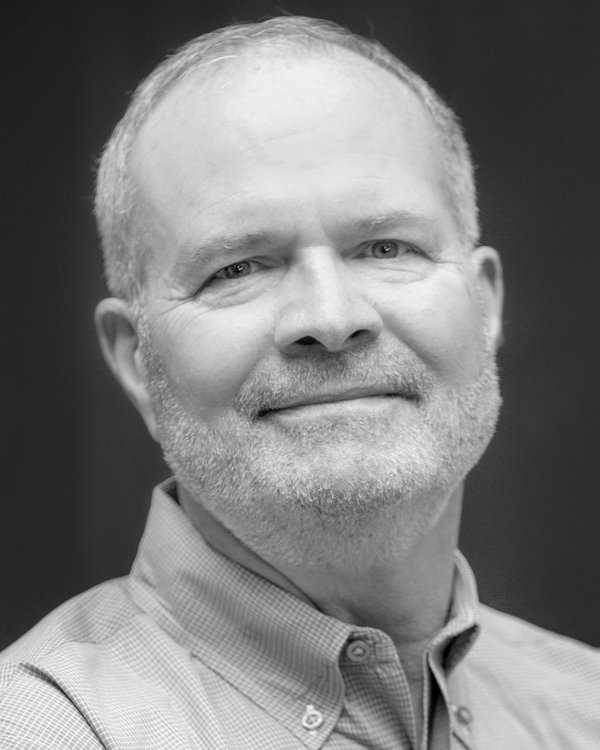
Sourcing, underwriting & asset management
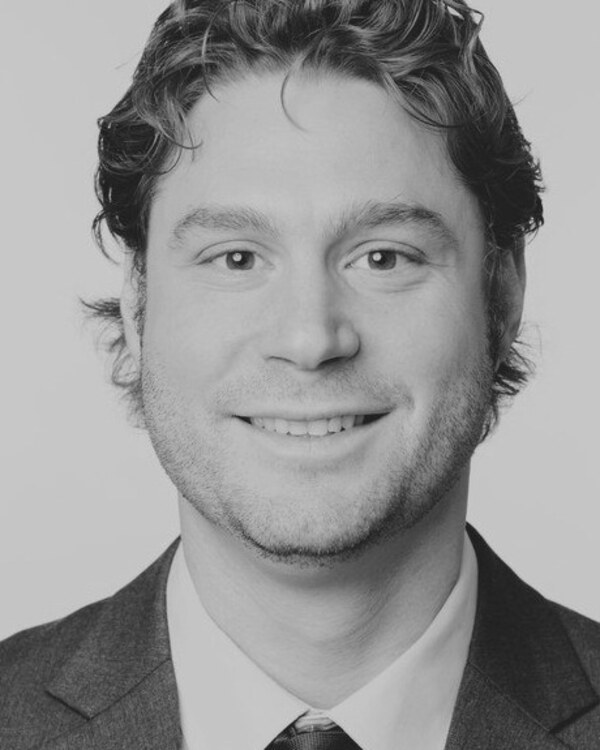
Sourcing, underwriting & asset management
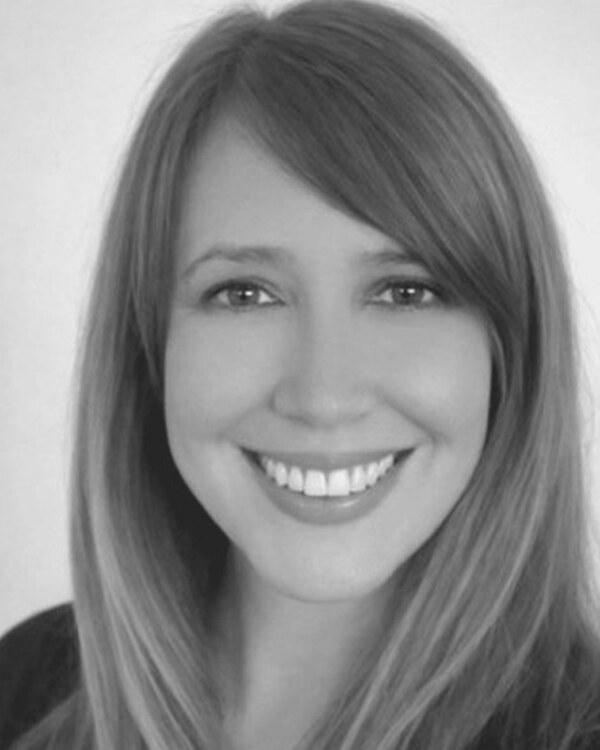
Finance & investor operations
Have a building that fits?