The improvements are the point. Exam rooms, surgical suites, kennels and floor drains in a veterinary hospital. Plumbed operatories and lead-lined walls in a dental practice. Three-phase power, a drive-in door and a rated slab in a light-industrial building.

That capital was spent by the tenant and it stays with the building. Imaging equipment, lifts and racking are expensive to move. Licensing and zoning approvals attach to the address.

The demand is local as well. These practices serve the households inside a drive time and compete with the providers inside that same radius. A move across town trades a known catchment for somebody else's and leaves the referral relationships behind, so even a tenant willing to pay for a second build-out has few addresses in its own market that work as well.

Rent is typically a small share of what these businesses spend to operate, well behind payroll, equipment and supplies. A practice that is working does not shop its building to save a few points on occupancy cost, and it cannot pause operations to relocate without losing revenue that rarely comes back.

The numbers bear it out: single-tenant net lease tenants have historically renewed about 85% of expiring leases, and outpatient medical tenants 78–93% across four healthcare REITs from 2024 to 2026.

So we underwrite the tenant, the lease, the local market and the real estate together, and we buy nothing that could not be re-leased or sold to an owner-user if the tenant left anyway.

Where this logic stops

Industrial works the other way. Small-bay tenants are sticky for the same reason (racking, three-phase service and machinery cost more to move than the rent differential is worth), but the income is not protected by any one of them. It is protected by how quickly the next tenant appears, in a size range where almost nothing new is being built. There we underwrite the depth of the local leasing market, and a lease is a claim on it rather than the asset itself.

And none of this survives the wrong rent. A seller preparing a sale-leaseback sets rent as high as the practice can carry, because proceeds are rent divided by a cap rate. A tenant that cannot leave can still fail. We test rent against what the business actually earns before we capitalize it, which is why a building can clear every other test here and still not be one we buy.

Asset Classes

Three property types, three underwriting lenses

Each category is underwritten on its own terms against shared minimum standards. Diversifying across three reduces sector concentration and widens the sourcing funnel.

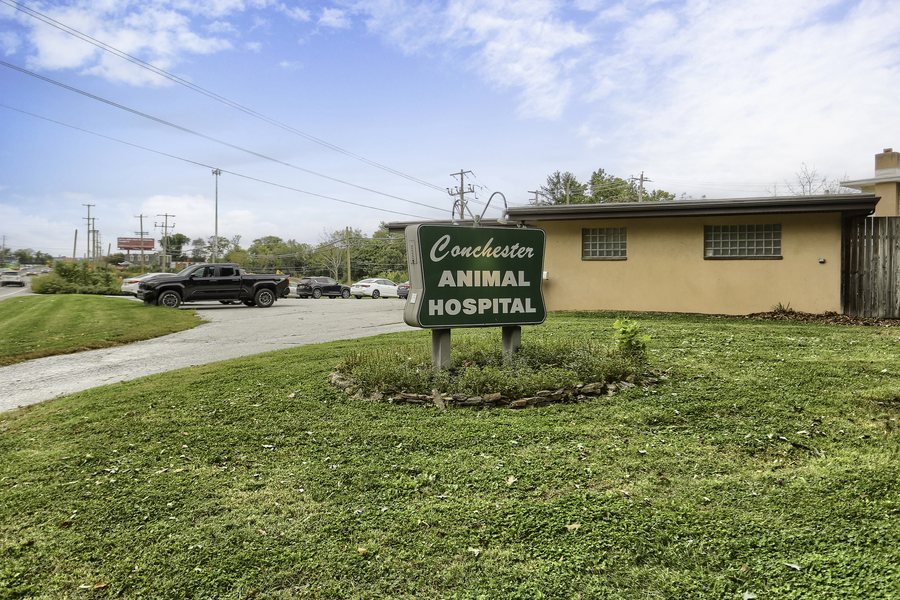
530 Conchester Highway, Boothwyn, Pennsylvania, Conchester Animal Hospital sign and building

Veterinary

Hospitals and clinics · underwrite: practice durability

A $36.5 billion market growing about 7% a year. SBA loans to veterinary practices charge off at 1.32%, against 4.66% across the SBA book. Buildings still trade at 6.5–8.0% caps in a size band institutions skip.
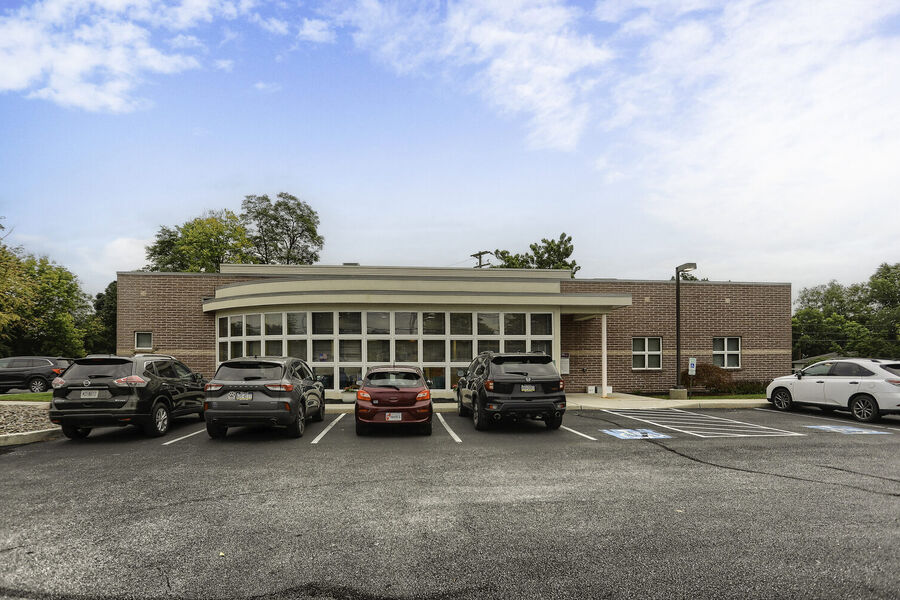
1921 Spring Road, Carlisle, Pennsylvania, brick medical office building

Medical

Outpatient, dental, specialty · underwrite: provider stickiness

Construction starts sit near a historic low, about 1.1% of inventory, against occupancy above 92%. Buildings leased to independent practices still price roughly 100 bps wide of hospital-affiliated product.

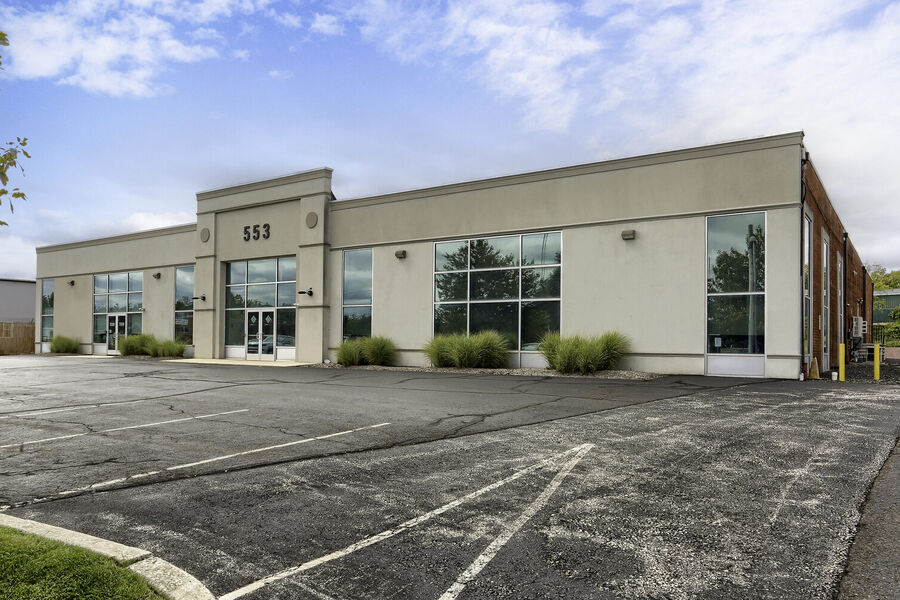
553 Foundry Road, Norristown, Pennsylvania, small-bay light industrial building

Industrial

Light industrial, flex, last-mile, small-bay · underwrite: re-leasing utility

Small buildings are 31% of industrial stock but only 7% of new supply. Shallow-bay vacancy sits at 4.8% against 6.9% overall. The product we buy is not being replaced.

Market data: Cushman & Wakefield US industrial, Q2 2026; Newmark and CoStar via BKM Capital, Q1 2026; CBRE US Medical Outpatient Buildings, Q1 2026; JLL 2026 Medical Outpatient Building Perspective; Revista, Q3 2026; Northmarq and Matthews veterinary net lease research, 2026; IBISWorld, Grand View and Mordor market estimates; SBA loan performance data. Renewal rates: NNN REIT filings, historical and 2025–2026; Healthcare Realty, Healthpeak, Welltower and Ventas filings, 2024–Q3 2026.

Acquisition Criteria

What we buy

Asset typesVeterinary, outpatient medical, light industrial
Purchase price$750,000 to $3 million target band. Larger deals considered selectively.
Property size5,000–30,000 SF, single or multi-tenant
Occupancy80–100%, stabilized or a clear lease-up path
StructureEach property in its own entity. No blind pool, no cross-collateralization.

Our full underwriting standards (remaining term, rent coverage, guarantor quality, escalations and leverage) sit behind these. Brokers can request the complete screen →

Hold & Exit

The exit is planned at acquisition

Returns are driven by current income and contractual growth, not by appreciation assumptions.

Remaining lease term is the largest single driver of what a buyer pays. We buy long leases and structure the hold around that, so the exit is decided when we underwrite the deal rather than discovered at the end of it.

Every exit is modeled at a cap rate flat to wider than entry. Nothing is approved that requires compression, a favorable refinancing, or one particular category of buyer.

1031 exchange buyersDeadline-driven, yield-focused. Tightest pricing on small stabilized assets.
Private & regional investorsDeep, consistent bid for $1–5M income property.
Owner-usersOperators buying to control occupancy. Price on utility rather than yield.

Upside, and where it belongs

A lease extension. Where a lease can be improved at acquisition, we pursue it. Nothing is credited to the model that has not been signed.

Aggregation. Packages of similar assets have historically traded tighter than the same properties sold individually. We preserve that option where it costs nothing to do so.

Neither is credited in any base case. Every property has to work without them.

Risk

We underwrite risk, we do not hide it.

The base case is the one where nothing goes particularly right.

Have a building that fits?